

Last updated: 9 มี.ค. 2569 | 767 จำนวนผู้เข้าชม |

ผลลัพธ์อาจแตกต่างกันไป แล้วแต่บุคคล
"แผลเป็นหลุมอีสุกอีใส" (Chicken Pox Scars) ลักษณะเฉพาะและการรักษา ?
แผลเป็นที่หลงเหลือหลังจากอาการเจ็บป่วยจากโรคอีสุกอีใส มักสร้างความกังวลใจให้กับใครหลายคน โดยเฉพาะเมื่อเกิดขึ้นบริเวณใบหน้า ซึ่งลักษณะของแผลจะมีความแตกต่างจากหลุมสิวทั่วไป ทำให้การรักษามีความซับซ้อนและต้องใช้เทคนิคเฉพาะทางในการดูแลครับ
ลักษณะเฉพาะของแผลเป็นจากอีสุกอีใส
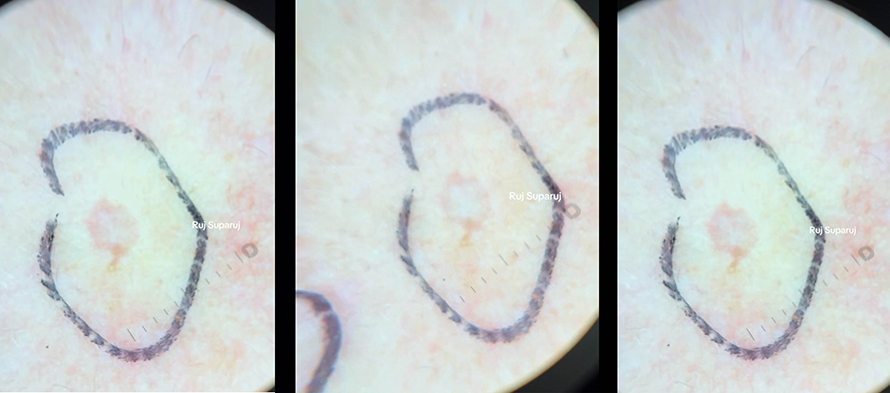
แผลเป็นประเภทนี้ในทางการแพทย์มักถูกเรียกว่า "Punch Out Lesion" ซึ่งมีจุดสังเกตที่สำคัญ ดังนี้:
* รูปทรง: มีลักษณะเป็นหลุมวงกลมที่มีขอบชัดเจนคล้ายถูกเจาะลงไป
* ก้นหลุม: มักเห็นเป็นสีขาวซีดกว่าผิวปกติอย่างชัดเจน ซึ่งเป็นลักษณะของพังผืด (Fibrosis) ที่ก่อตัวขึ้นหนาแน่น
* สาเหตุการเกิด: เกิดจากการอักเสบและติดเชื้อที่ลึกตั้งแต่ผิวชั้นนอกไปจนถึงชั้นหนังแท้ ร่วมกับการแกะหรือเกาในช่วงที่ตุ่มน้ำกำลังตกสะเก็ด
ทำไมแผลเป็นอีสุกอีใสถึงรักษายากกว่าหลุมสิว?
หลายคนอาจสงสัยว่าทำไมการรักษาหลุมอีสุกอีใสถึงดูเห็นผลช้ากว่าหลุมสิว นั่นเป็นเพราะโครงสร้างใต้ผิวหนังที่มีความลึกและมีพังผืด Fibrosis ดึงรั้งที่รุนแรงกว่า การใช้วิธีตัดพังผืดแบบดั้งเดิมเพียงอย่างเดียวมักได้ผลไม่เต็มที่ เนื่องจากก้นหลุมที่เป็นพังผืดสีขาวมีความเหนียวและแน่นเป็นพิเศษ
แนวทางการรักษา (Combination Therapy)
แนะนำให้ใช้การรักษาแบบผสมผสาน (Combination Therapy) เพื่อแก้ปัญหา
1. การตัดพังผืด (Subcision)
เพื่อปลดปล่อยแรงดึงรั้งของพังผืดที่อยู่ใต้หลุมแผลเป็น ให้ผิวมีโอกาสยกตัวขึ้นมาได้ง่ายขึ้น
2. การปรับสภาพผิวด้วยเลเซอร์ (Laser Resurfacing)
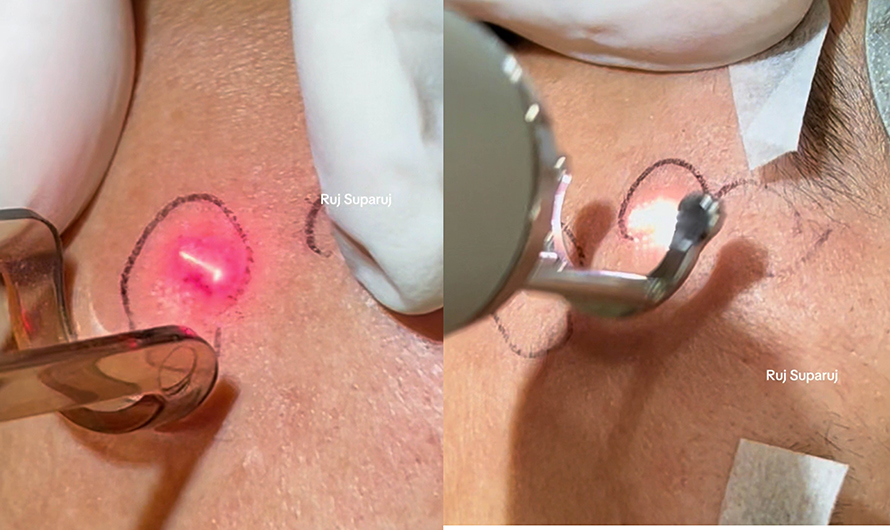
* Fractional Ablative Laser / CO2 Laser: ใช้เพื่อกรอบริเวณขอบหลุมที่ชัดและนูนให้ดูเนียนราบกลมกลืนไปกับผิวรอบข้าง
* Picosecond Laser: ใช้เพื่อกระตุ้นการสร้างคอลลาเจนในชั้นลึก ลบรอยดำ และปรับความละเอียดของเนื้อผิวให้สม่ำเสมอ
3. การใช้สารเติมเต็มและตัวช่วยกระตุ้นการซ่อมแซมผิว
* Polynucleotide (PN): สารสกัดที่ช่วยกระตุ้นการสร้างเนื้อเยื่อและคอลลาเจนใหม่จากภายใน ช่วยให้หลุมตื้นขึ้นอย่างเป็นธรรมชาติ
* Filler หรือ PRP: การใช้ฟิลเลอร์เพื่อเติมเต็มร่องลึกทันที หรือการใช้เกล็ดเลือดเข้มข้นเพื่อเร่งกระบวนการฟื้นฟูผิว
บทสรุป
การรักษาแผลเป็นจากอีสุกอีใส ต้องอาศัยความเข้าใจและการรักษาที่ตรงจุดโดยใช้หลายเทคนิคร่วมกัน ทั้งนี้ ผลลัพธ์จะขึ้นอยู่กับสภาพผิวและการตอบสนองของแต่ละบุคคลด้วยครับ
“Chickenpox Scars”: Characteristics and Treatment
Scars that remain after recovery from chickenpox can be a significant cosmetic concern for many individuals, especially when they occur on the face. These scars often differ in appearance from typical acne scars, making their treatment more complex and requiring specialized techniques.
Characteristics of Chickenpox Scars
Medically, these scars are often referred to as “punch-out lesions.” Their distinguishing features include:
• Shape:
They typically appear as round, well-defined depressions in the skin, resembling small punched-out holes.
• Base of the scar:
The base often appears pale or whitish compared with the surrounding skin, reflecting dense fibrotic tissue (fibrosis) that has formed in the area.
• Cause of formation:
These scars result from deep inflammation and infection extending from the epidermis down to the dermis, often aggravated by picking or scratching the lesions while the vesicles are crusting.
Why Are Chickenpox Scars More Difficult to Treat Than Acne Scars?
Many patients notice that chickenpox scars tend to respond more slowly to treatment compared with acne scars. This is primarily due to the deeper structural damage beneath the skin and the presence of dense fibrotic tethering. Conventional subcision alone may not always provide optimal results because the fibrotic white base of the scar is particularly dense and resistant.
Treatment Approach (Combination Therapy)
A combination treatment strategy is generally recommended to address multiple aspects of the scar.
1. Subcision
This technique releases the fibrotic bands beneath the scar, reducing the downward traction and allowing the depressed area to elevate more easily.
2. Laser Resurfacing
• Fractional Ablative Laser / CO₂ Laser:
Used to resurface the skin and smooth the sharp or elevated scar edges, improving the transition between the scar and surrounding skin.
• Picosecond Laser:
Helps stimulate dermal collagen remodeling, improve skin texture, and reduce post-inflammatory pigmentation.
3. Regenerative and Volume-Restoring Adjuncts
• Polynucleotides (PN):
Biostimulatory agents that promote tissue regeneration and collagen production, gradually improving scar depth.
• Dermal Fillers or PRP (Platelet-Rich Plasma):
Fillers can provide immediate volume correction, while PRP supports skin regeneration and healing.
Conclusion
Effective management of chickenpox scars requires a multimodal approach, combining several treatment techniques tailored to the individual scar characteristics. Treatment outcomes may vary depending on skin condition, scar severity, and individual healing responses.
อีสุกอีใส ,แผลเป็นอีสุกอีใส ,แผลอีสุกอีใส ,Subcision ,ตัดพังผืด ,เลเซอร์แผลเป็น ,แผลเป็นยุบตัว ,chicken pox scars ,Postvaricel lascar โปรแกรม ,picosecond laser โปรแกรม ,fractional co2laser
คลิปตัวอย่างการรักษา
https://youtu.be/rr9nGhaqmwg?si=loGJEyapodg-w1IL
.....

.....
ปรึกษาคุณหมอหรือสอบถามเพิ่มเติมได้ที่
Tel : 063-959-4392
Line: http://line.me/ti/p/@Demedclinic
Line: @Demedclinic
Wechat/Whatsapp: Demedclinic
IG: https://www.instagram.com/drsuparuj
FB: www.facebook.com/drsuparuj
Youtube: https://bit.ly/3p20YLE
Blockdit: https://bit.ly/3d8vYr1
TikTok : https://vt.tiktok.com/ZSJ141Mdf/
X.com : https://mobile.twitter.com/drruj1
Lemon8 : https://s.lemon8-app.com/s/GgUZYhfpSs
www.demedclinic.com / www.demedhaircenter.com


